Buy digitaltrends.eu ?
We are moving the project
digitaltrends.eu .
Are you interested in purchasing the domain
digitaltrends.eu ?
domain@kv-gmbh.de · 0541-91531010
Buy digitaltrends.eu ?
Should you always unplug the plug from devices?
It is not always necessary to unplug the plug from devices, but it is a good practice to do so when the device is not in use for an extended period of time. Unplugging the plug can help save energy and reduce the risk of electrical fires. Additionally, some devices continue to draw power even when turned off, so unplugging them can help save on electricity costs. However, for frequently used devices, it may be more convenient to leave the plug in place. **
Is the Type C plug really the future?
The Type C plug is certainly gaining popularity as a universal charging standard due to its compact size, reversible design, and ability to deliver higher power. It is becoming more common in newer devices such as smartphones, laptops, and tablets. However, whether it is truly the future will depend on its widespread adoption and integration into various industries and applications. As technology continues to evolve, there may be new developments that could potentially surpass the Type C plug in terms of efficiency and convenience. Therefore, while the Type C plug is currently a leading contender, its status as the future standard is not guaranteed. **
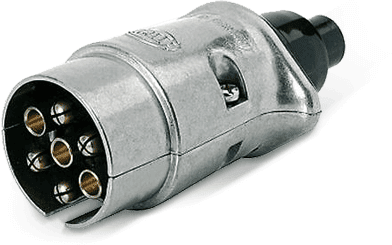

Similar search terms for HPAUTO-28252-Plug
Top-Angebote
Products related to HPAUTO-28252-Plug:


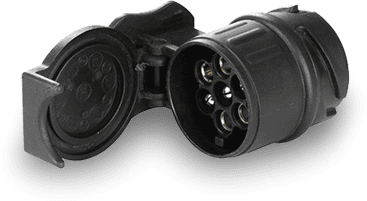

-
Can I use American devices with an adapter plug?
Yes, you can use American devices with an adapter plug in countries with different electrical outlets. However, it's important to check the voltage requirements of your devices and the voltage in the country you are visiting. Some devices may not be compatible with the higher or lower voltage in certain countries, even with an adapter. It's also important to note that some devices, such as hair dryers or straighteners, may not work as effectively with a different voltage, even with an adapter. Always check the device's specifications and consult with the manufacturer if you are unsure. **
-
What types of protective contact plug devices are there?
There are several types of protective contact plug devices, including surge protectors, ground fault circuit interrupters (GFCIs), and arc fault circuit interrupters (AFCIs). Surge protectors are designed to protect electronic devices from power surges and voltage spikes. GFCIs are used to prevent electric shock by quickly shutting off power when they detect a ground fault. AFCIs are designed to prevent electrical fires by detecting and interrupting dangerous electrical arcs. Each of these devices plays a crucial role in protecting against different types of electrical hazards. **
-
How many devices can I plug into the power outlet?
The number of devices you can plug into a power outlet depends on the outlet's capacity and the power requirements of the devices. In general, it is recommended to avoid overloading a power outlet to prevent overheating and potential fire hazards. It is important to check the outlet's voltage and current ratings, as well as the power requirements of the devices you intend to plug in, to ensure safe usage. If you need to plug in multiple devices, consider using a power strip with surge protection to safely accommodate them. **
-
How do you test devices with a thick plug for grounding?
To test devices with a thick plug for grounding, you can use a multimeter set to measure resistance. First, ensure the device is unplugged and turned off. Then, insert one probe into the ground pin of the plug and the other probe into the metal casing of the device. If the multimeter shows a low resistance reading, it indicates that the device is properly grounded. If the reading is high or infinite, there may be an issue with the grounding of the device that needs to be addressed. **


How can safety devices in plug-in solar systems be bypassed?
Safety devices in plug-in solar systems can be bypassed by tampering with or disabling the safety features, such as ground fault circuit interrupters (GFCIs) or disconnect switches. This can be done by physically bypassing the devices or by using tools or techniques to override their functions. However, bypassing safety devices in plug-in solar systems is extremely dangerous and can lead to electric shock, fire, or other serious hazards. It is important to always follow the manufacturer's instructions and never attempt to bypass safety devices in a plug-in solar system. **
Where do I need to plug in this plug?
To determine where to plug in the plug, first identify the type of plug you have. If it is a standard electrical plug, look for a corresponding electrical outlet in your home or office. If it is a specialized plug, such as a USB or audio plug, look for a matching port on a computer, speaker, or other electronic device. Make sure to check the voltage and power requirements of the device you are plugging in to ensure it is compatible with the outlet or port. If you are unsure, consult the user manual or contact the manufacturer for guidance. **
Top-Angebote
Products related to HPAUTO-28252-Plug:
-
Should you always unplug the plug from devices?
It is not always necessary to unplug the plug from devices, but it is a good practice to do so when the device is not in use for an extended period of time. Unplugging the plug can help save energy and reduce the risk of electrical fires. Additionally, some devices continue to draw power even when turned off, so unplugging them can help save on electricity costs. However, for frequently used devices, it may be more convenient to leave the plug in place. **
-
Is the Type C plug really the future?
The Type C plug is certainly gaining popularity as a universal charging standard due to its compact size, reversible design, and ability to deliver higher power. It is becoming more common in newer devices such as smartphones, laptops, and tablets. However, whether it is truly the future will depend on its widespread adoption and integration into various industries and applications. As technology continues to evolve, there may be new developments that could potentially surpass the Type C plug in terms of efficiency and convenience. Therefore, while the Type C plug is currently a leading contender, its status as the future standard is not guaranteed. **
-
Can I use American devices with an adapter plug?
Yes, you can use American devices with an adapter plug in countries with different electrical outlets. However, it's important to check the voltage requirements of your devices and the voltage in the country you are visiting. Some devices may not be compatible with the higher or lower voltage in certain countries, even with an adapter. It's also important to note that some devices, such as hair dryers or straighteners, may not work as effectively with a different voltage, even with an adapter. Always check the device's specifications and consult with the manufacturer if you are unsure. **
-
What types of protective contact plug devices are there?
There are several types of protective contact plug devices, including surge protectors, ground fault circuit interrupters (GFCIs), and arc fault circuit interrupters (AFCIs). Surge protectors are designed to protect electronic devices from power surges and voltage spikes. GFCIs are used to prevent electric shock by quickly shutting off power when they detect a ground fault. AFCIs are designed to prevent electrical fires by detecting and interrupting dangerous electrical arcs. Each of these devices plays a crucial role in protecting against different types of electrical hazards. **
Similar search terms for HPAUTO-28252-Plug
-
How many devices can I plug into the power outlet?
The number of devices you can plug into a power outlet depends on the outlet's capacity and the power requirements of the devices. In general, it is recommended to avoid overloading a power outlet to prevent overheating and potential fire hazards. It is important to check the outlet's voltage and current ratings, as well as the power requirements of the devices you intend to plug in, to ensure safe usage. If you need to plug in multiple devices, consider using a power strip with surge protection to safely accommodate them. **
-
How do you test devices with a thick plug for grounding?
To test devices with a thick plug for grounding, you can use a multimeter set to measure resistance. First, ensure the device is unplugged and turned off. Then, insert one probe into the ground pin of the plug and the other probe into the metal casing of the device. If the multimeter shows a low resistance reading, it indicates that the device is properly grounded. If the reading is high or infinite, there may be an issue with the grounding of the device that needs to be addressed. **
-
How can safety devices in plug-in solar systems be bypassed?
Safety devices in plug-in solar systems can be bypassed by tampering with or disabling the safety features, such as ground fault circuit interrupters (GFCIs) or disconnect switches. This can be done by physically bypassing the devices or by using tools or techniques to override their functions. However, bypassing safety devices in plug-in solar systems is extremely dangerous and can lead to electric shock, fire, or other serious hazards. It is important to always follow the manufacturer's instructions and never attempt to bypass safety devices in a plug-in solar system. **
-
Where do I need to plug in this plug?
To determine where to plug in the plug, first identify the type of plug you have. If it is a standard electrical plug, look for a corresponding electrical outlet in your home or office. If it is a specialized plug, such as a USB or audio plug, look for a matching port on a computer, speaker, or other electronic device. Make sure to check the voltage and power requirements of the device you are plugging in to ensure it is compatible with the outlet or port. If you are unsure, consult the user manual or contact the manufacturer for guidance. **
* All prices are inclusive of VAT and, if applicable, plus shipping costs. The offer information is based on the details provided by the respective shop and is updated through automated processes. Real-time updates do not occur, so deviations can occur in individual cases. ** Note: Parts of this content were created by AI.