Buy digitaltrends.eu ?
We are moving the project
digitaltrends.eu .
Are you interested in purchasing the domain
digitaltrends.eu ?
domain@kv-gmbh.de · 0541-91531010
Buy digitaltrends.eu ?
How do I deactivate Fast Boot?
To deactivate Fast Boot on a Windows computer, you can follow these steps: 1. Go to the Control Panel on your computer. 2. Click on Power Options. 3. Select Choose what the power buttons do. 4. Click on Change settings that are currently unavailable. 5. Uncheck the box next to Turn on fast startup (recommended). 6. Click Save changes to deactivate Fast Boot. **
How do I disable Fast Boot?
To disable Fast Boot on a Windows computer, you can follow these steps: 1. Go to the Control Panel and click on Power Options. 2. Select "Choose what the power buttons do" from the left-hand menu. 3. Click on "Change settings that are currently unavailable." 4. Scroll down to the "Shutdown settings" section and uncheck the box next to "Turn on fast startup." 5. Click on "Save changes" to apply the settings. Disabling Fast Boot can help resolve certain issues with startup and shutdown processes on your computer. **
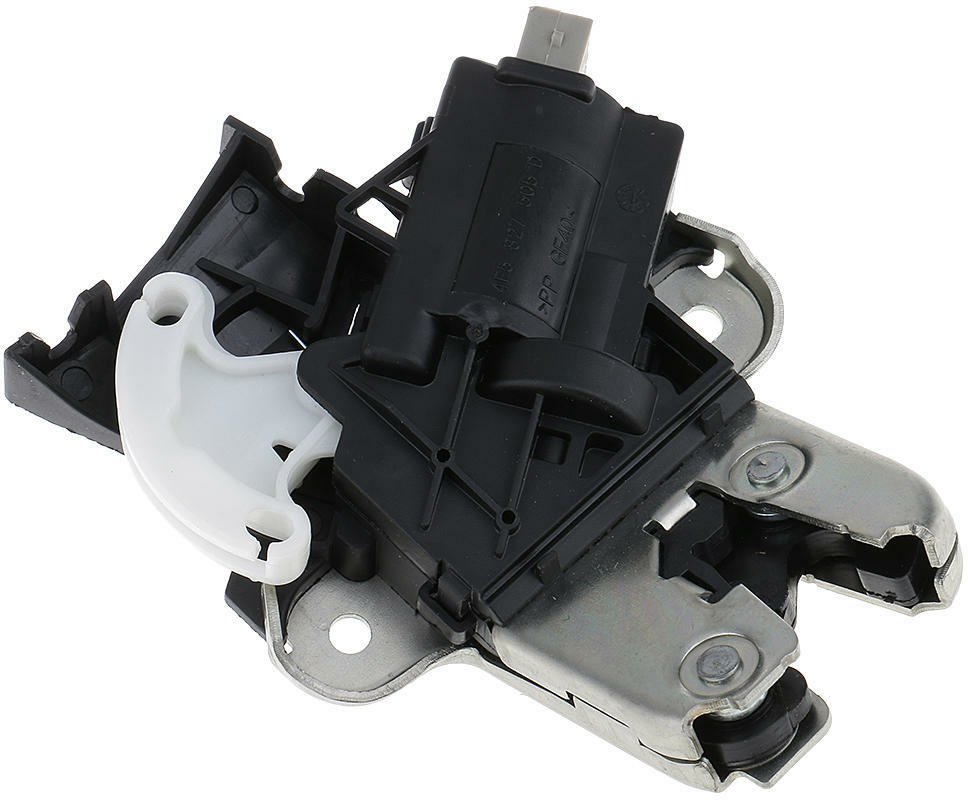
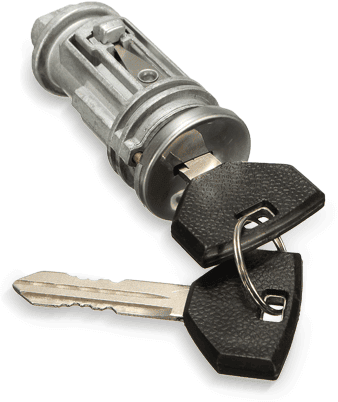
Similar search terms for FAST-FT95010-Boot-Lock
Top-Angebote
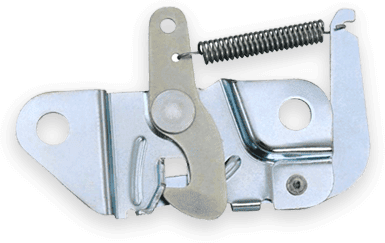
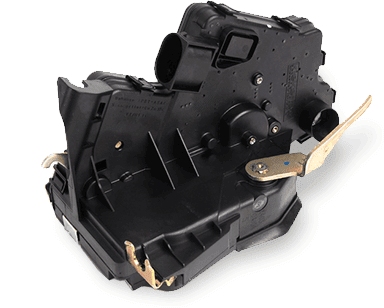
Products related to FAST-FT95010-Boot-Lock:


-
How do I activate UEFI Fast Boot?
To activate UEFI Fast Boot, you will need to access your computer's BIOS settings. Restart your computer and press the designated key (usually F2, F10, or Del) to enter the BIOS. Look for the Fast Boot option in the BIOS settings and enable it. Save the changes and exit the BIOS. Your computer should now boot faster using UEFI Fast Boot. **
-
What is MSI Fast Boot for the PC?
MSI Fast Boot is a feature designed to decrease the boot-up time of a PC. It achieves this by skipping certain system checks and processes during the startup sequence, allowing the computer to boot up more quickly. This feature can be particularly useful for users who want to minimize the time it takes for their computer to start up and be ready for use. However, it's important to note that enabling Fast Boot may result in some system functions being bypassed, so it's recommended to use it with caution. **
-
Why does the computer not boot up fast enough despite having a very fast SSD?
There could be several reasons why a computer with a fast SSD may not boot up quickly. One possible reason could be that the computer's hardware components, such as the processor or RAM, are not able to keep up with the speed of the SSD, causing a bottleneck in the system. Additionally, if there are too many background processes or startup programs running, it can slow down the boot-up process. Another reason could be that the operating system or BIOS settings are not optimized for fast boot times, leading to delays in the startup process. **
-
How do I stop entering BIOS with Ultra Fast Boot?
To stop entering BIOS with Ultra Fast Boot enabled, you can try the following steps: 1. Restart your computer and continuously press the designated key to enter the BIOS setup (usually Del, F2, or F12). 2. Once in the BIOS setup, navigate to the Boot menu. 3. Look for an option related to Ultra Fast Boot or Fast Boot and disable it. 4. Save the changes and exit the BIOS setup. Your computer should now boot without entering the BIOS with Ultra Fast Boot enabled. **


Why can't I access the BIOS because of Fast Boot?
Fast Boot is a feature designed to reduce the time it takes for a computer to boot up by skipping certain system checks and processes. This means that the BIOS screen, where you typically access BIOS settings, may not be displayed during the boot process. To access the BIOS while Fast Boot is enabled, you may need to disable Fast Boot in your computer's settings or use a specific key combination during startup to access the BIOS directly. **
How do I remove boot devices from the boot menu?
To remove boot devices from the boot menu, you can access the BIOS or UEFI settings of your computer. Restart your computer and press the designated key (often F2, F10, or Del) to enter the BIOS/UEFI settings. Look for the Boot menu and you should see a list of boot devices. From there, you can select and remove any unwanted boot devices from the list. Save your changes and exit the BIOS/UEFI settings to apply the changes. **
Top-Angebote
Products related to FAST-FT95010-Boot-Lock:
-
How do I deactivate Fast Boot?
To deactivate Fast Boot on a Windows computer, you can follow these steps: 1. Go to the Control Panel on your computer. 2. Click on Power Options. 3. Select Choose what the power buttons do. 4. Click on Change settings that are currently unavailable. 5. Uncheck the box next to Turn on fast startup (recommended). 6. Click Save changes to deactivate Fast Boot. **
-
How do I disable Fast Boot?
To disable Fast Boot on a Windows computer, you can follow these steps: 1. Go to the Control Panel and click on Power Options. 2. Select "Choose what the power buttons do" from the left-hand menu. 3. Click on "Change settings that are currently unavailable." 4. Scroll down to the "Shutdown settings" section and uncheck the box next to "Turn on fast startup." 5. Click on "Save changes" to apply the settings. Disabling Fast Boot can help resolve certain issues with startup and shutdown processes on your computer. **
-
How do I activate UEFI Fast Boot?
To activate UEFI Fast Boot, you will need to access your computer's BIOS settings. Restart your computer and press the designated key (usually F2, F10, or Del) to enter the BIOS. Look for the Fast Boot option in the BIOS settings and enable it. Save the changes and exit the BIOS. Your computer should now boot faster using UEFI Fast Boot. **
-
What is MSI Fast Boot for the PC?
MSI Fast Boot is a feature designed to decrease the boot-up time of a PC. It achieves this by skipping certain system checks and processes during the startup sequence, allowing the computer to boot up more quickly. This feature can be particularly useful for users who want to minimize the time it takes for their computer to start up and be ready for use. However, it's important to note that enabling Fast Boot may result in some system functions being bypassed, so it's recommended to use it with caution. **
Similar search terms for FAST-FT95010-Boot-Lock
-
Why does the computer not boot up fast enough despite having a very fast SSD?
There could be several reasons why a computer with a fast SSD may not boot up quickly. One possible reason could be that the computer's hardware components, such as the processor or RAM, are not able to keep up with the speed of the SSD, causing a bottleneck in the system. Additionally, if there are too many background processes or startup programs running, it can slow down the boot-up process. Another reason could be that the operating system or BIOS settings are not optimized for fast boot times, leading to delays in the startup process. **
-
How do I stop entering BIOS with Ultra Fast Boot?
To stop entering BIOS with Ultra Fast Boot enabled, you can try the following steps: 1. Restart your computer and continuously press the designated key to enter the BIOS setup (usually Del, F2, or F12). 2. Once in the BIOS setup, navigate to the Boot menu. 3. Look for an option related to Ultra Fast Boot or Fast Boot and disable it. 4. Save the changes and exit the BIOS setup. Your computer should now boot without entering the BIOS with Ultra Fast Boot enabled. **
-
Why can't I access the BIOS because of Fast Boot?
Fast Boot is a feature designed to reduce the time it takes for a computer to boot up by skipping certain system checks and processes. This means that the BIOS screen, where you typically access BIOS settings, may not be displayed during the boot process. To access the BIOS while Fast Boot is enabled, you may need to disable Fast Boot in your computer's settings or use a specific key combination during startup to access the BIOS directly. **
-
How do I remove boot devices from the boot menu?
To remove boot devices from the boot menu, you can access the BIOS or UEFI settings of your computer. Restart your computer and press the designated key (often F2, F10, or Del) to enter the BIOS/UEFI settings. Look for the Boot menu and you should see a list of boot devices. From there, you can select and remove any unwanted boot devices from the list. Save your changes and exit the BIOS/UEFI settings to apply the changes. **
* All prices are inclusive of VAT and, if applicable, plus shipping costs. The offer information is based on the details provided by the respective shop and is updated through automated processes. Real-time updates do not occur, so deviations can occur in individual cases. ** Note: Parts of this content were created by AI.