Buy digitaltrends.eu ?
We are moving the project
digitaltrends.eu .
Are you interested in purchasing the domain
digitaltrends.eu ?
domain@kv-gmbh.de · 0541-91531010
Buy digitaltrends.eu ?
Is it bad if the diesel additive is overdosed?
Yes, overdosing a diesel additive can be bad for the engine. Adding too much of the additive can disrupt the balance of the fuel mixture and potentially cause damage to the engine components. It can also lead to increased emissions and reduced fuel efficiency. It is important to carefully follow the manufacturer's recommendations for the proper dosage of the diesel additive to avoid any negative effects on the engine. **
When was the diesel additive refilled 4 years ago?
The diesel additive was refilled 4 years ago in 2017. **
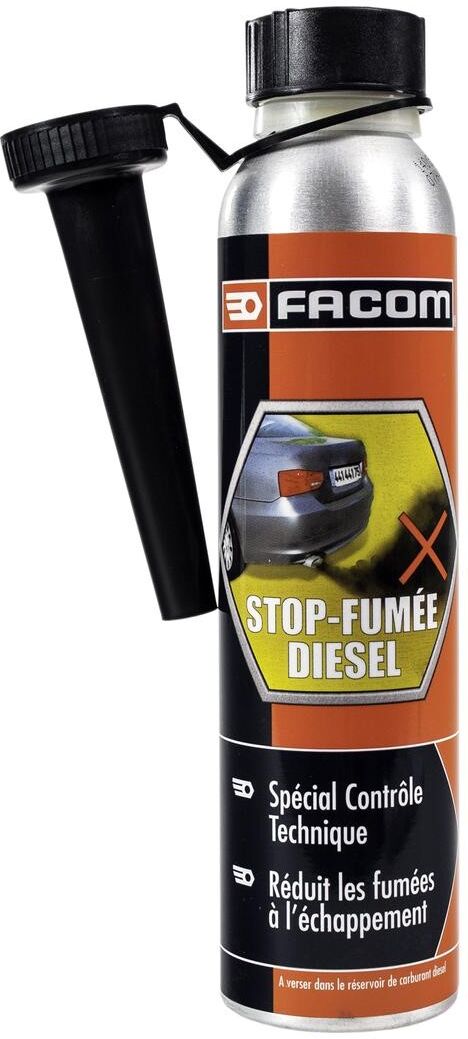
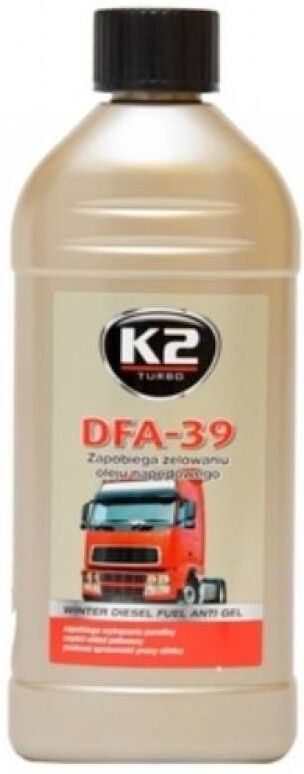
Similar search terms for FACOM-006015-Diesel-additive
Top-Angebote
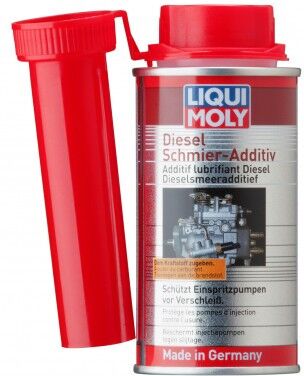
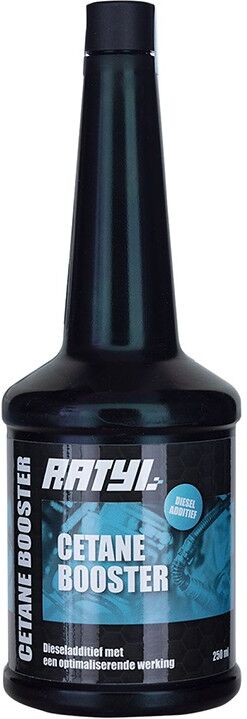
Products related to FACOM-006015-Diesel-additive:


-
Which additive for diesel is good against paraffin formation?
One good additive for diesel to prevent paraffin formation is a cold flow improver. These additives are designed to lower the pour point of diesel fuel, preventing the formation of paraffin crystals that can clog fuel filters and fuel lines in cold temperatures. By using a cold flow improver, diesel fuel can maintain its flowability and prevent issues related to paraffin formation in cold weather conditions. **
-
How do I refill the diesel additive in the Peugeot 206?
To refill the diesel additive in a Peugeot 206, you will need to locate the additive tank under the bonnet of the car. The tank is usually located near the fuel tank and is marked with a blue cap. Once you have located the tank, simply unscrew the cap and carefully pour the diesel additive into the tank. Be sure to use the correct type of additive recommended for your Peugeot 206. After refilling, securely screw the cap back on and you're done. It's important to follow the manufacturer's guidelines and recommendations when refilling the diesel additive in your car. **
-
Does diesel still have a future?
While diesel has been a popular fuel source for many years due to its efficiency and power, its future is becoming increasingly uncertain. With the rise of electric vehicles and stricter emissions regulations, diesel is facing challenges in terms of environmental impact and public perception. Many countries are phasing out diesel vehicles in favor of cleaner alternatives. However, diesel may still have a future in certain industries where electric vehicles are not yet practical, such as long-haul transportation and heavy machinery. Overall, the future of diesel will likely depend on technological advancements and shifting market trends. **
-
What is a hydraulic lifter additive?
A hydraulic lifter additive is a chemical solution that is added to the engine oil to help clean and lubricate the hydraulic lifters in a vehicle's engine. Hydraulic lifters are components that help control the valve train in an engine, and over time they can become clogged with dirt and debris, causing them to malfunction. The additive helps to dissolve deposits and varnish buildup, allowing the lifters to operate smoothly and quietly. Regular use of a hydraulic lifter additive can help maintain engine performance and prolong the lifespan of the lifters. **

Why is a determinant not additive?
A determinant is not additive because the determinant of a sum of matrices is not equal to the sum of the determinants of the individual matrices. This is because the determinant is a measure of the scaling factor of the linear transformation represented by the matrix, and the scaling factor of the sum of two transformations is not simply the sum of the scaling factors of the individual transformations. Therefore, the determinant does not exhibit the property of additivity. **
Can you explain additive color mixing?
Additive color mixing is a process where different colors of light are combined to create new colors. This is based on the principle that when different colored lights are superimposed, they add together to create a new color. The primary colors used in additive color mixing are red, green, and blue, which are combined in various intensities to produce a wide range of colors. This process is commonly used in electronic displays such as TVs, computer monitors, and LED screens. **
Top-Angebote
Products related to FACOM-006015-Diesel-additive:
-
Is it bad if the diesel additive is overdosed?
Yes, overdosing a diesel additive can be bad for the engine. Adding too much of the additive can disrupt the balance of the fuel mixture and potentially cause damage to the engine components. It can also lead to increased emissions and reduced fuel efficiency. It is important to carefully follow the manufacturer's recommendations for the proper dosage of the diesel additive to avoid any negative effects on the engine. **
-
When was the diesel additive refilled 4 years ago?
The diesel additive was refilled 4 years ago in 2017. **
-
Which additive for diesel is good against paraffin formation?
One good additive for diesel to prevent paraffin formation is a cold flow improver. These additives are designed to lower the pour point of diesel fuel, preventing the formation of paraffin crystals that can clog fuel filters and fuel lines in cold temperatures. By using a cold flow improver, diesel fuel can maintain its flowability and prevent issues related to paraffin formation in cold weather conditions. **
-
How do I refill the diesel additive in the Peugeot 206?
To refill the diesel additive in a Peugeot 206, you will need to locate the additive tank under the bonnet of the car. The tank is usually located near the fuel tank and is marked with a blue cap. Once you have located the tank, simply unscrew the cap and carefully pour the diesel additive into the tank. Be sure to use the correct type of additive recommended for your Peugeot 206. After refilling, securely screw the cap back on and you're done. It's important to follow the manufacturer's guidelines and recommendations when refilling the diesel additive in your car. **
Similar search terms for FACOM-006015-Diesel-additive
-
Does diesel still have a future?
While diesel has been a popular fuel source for many years due to its efficiency and power, its future is becoming increasingly uncertain. With the rise of electric vehicles and stricter emissions regulations, diesel is facing challenges in terms of environmental impact and public perception. Many countries are phasing out diesel vehicles in favor of cleaner alternatives. However, diesel may still have a future in certain industries where electric vehicles are not yet practical, such as long-haul transportation and heavy machinery. Overall, the future of diesel will likely depend on technological advancements and shifting market trends. **
-
What is a hydraulic lifter additive?
A hydraulic lifter additive is a chemical solution that is added to the engine oil to help clean and lubricate the hydraulic lifters in a vehicle's engine. Hydraulic lifters are components that help control the valve train in an engine, and over time they can become clogged with dirt and debris, causing them to malfunction. The additive helps to dissolve deposits and varnish buildup, allowing the lifters to operate smoothly and quietly. Regular use of a hydraulic lifter additive can help maintain engine performance and prolong the lifespan of the lifters. **
-
Why is a determinant not additive?
A determinant is not additive because the determinant of a sum of matrices is not equal to the sum of the determinants of the individual matrices. This is because the determinant is a measure of the scaling factor of the linear transformation represented by the matrix, and the scaling factor of the sum of two transformations is not simply the sum of the scaling factors of the individual transformations. Therefore, the determinant does not exhibit the property of additivity. **
-
Can you explain additive color mixing?
Additive color mixing is a process where different colors of light are combined to create new colors. This is based on the principle that when different colored lights are superimposed, they add together to create a new color. The primary colors used in additive color mixing are red, green, and blue, which are combined in various intensities to produce a wide range of colors. This process is commonly used in electronic displays such as TVs, computer monitors, and LED screens. **
* All prices are inclusive of VAT and, if applicable, plus shipping costs. The offer information is based on the details provided by the respective shop and is updated through automated processes. Real-time updates do not occur, so deviations can occur in individual cases. ** Note: Parts of this content were created by AI.