Buy digitaltrends.eu ?
We are moving the project
digitaltrends.eu .
Are you interested in purchasing the domain
digitaltrends.eu ?
domain@kv-gmbh.de · 0541-91531010
Buy digitaltrends.eu ?
'Does this wood color match with blue or nautical?'
Yes, wood color can match well with blue or nautical themes. The warm tones of wood can complement the cool tones of blue, creating a balanced and harmonious look. Additionally, the natural and organic feel of wood can also enhance the nautical theme, evoking a sense of coastal or maritime atmosphere. Overall, wood color can be a versatile and complementary choice for both blue and nautical color schemes. **
Is there a 35A Diazed DII fuse?
Yes, there is a 35A Diazed DII fuse. Diazed fuses are a type of cylindrical fuse used in electrical systems, and the DII designation refers to the specific size and type of the fuse. The 35A rating indicates the maximum current that the fuse can handle before it will blow and interrupt the circuit. These fuses are commonly used in industrial and commercial electrical applications. **
Similar search terms for DII-Nautical-Blue-Lattice
Top-Angebote
Products related to DII-Nautical-Blue-Lattice:


-
What does the future look like for nautical officers?
The future for nautical officers looks promising, with opportunities for career advancement and job security. As technology continues to advance, nautical officers will need to adapt and learn new skills to operate and maintain increasingly sophisticated navigation and communication systems. Additionally, the demand for nautical officers is expected to remain steady as global trade and shipping continue to grow. With the right training and experience, nautical officers can look forward to a fulfilling and rewarding career at sea. **
-
What does the future of nautical studies look like?
The future of nautical studies looks promising as advancements in technology continue to shape the maritime industry. With the increasing use of automation, artificial intelligence, and digitalization, nautical studies will likely focus more on training individuals to operate and manage these advanced systems. Additionally, there will be a greater emphasis on sustainability and environmental protection, leading to the development of new courses and research in areas such as marine conservation and renewable energy sources for maritime transportation. Overall, the future of nautical studies will be characterized by a combination of traditional maritime skills and knowledge with cutting-edge technology and a focus on sustainability. **
-
What does nautical mean?
Nautical refers to anything related to ships, sailing, or navigation on the sea. It can encompass terms, practices, or traditions associated with the maritime world. Nautical themes often involve elements such as boats, anchors, compasses, and other sea-related imagery. The term nautical is commonly used in the context of maritime activities, literature, or design. **
-
What is a nautical survey?
A nautical survey is a comprehensive inspection and assessment of a vessel, its equipment, and its operational systems. It is conducted by a qualified marine surveyor to evaluate the condition and seaworthiness of the vessel. The survey includes a thorough examination of the hull, machinery, electrical systems, navigation equipment, safety features, and overall structural integrity. The findings of the survey are documented in a report, which can be used by the vessel owner, insurance companies, and potential buyers to make informed decisions about the vessel. **
Is the ionic lattice and the crystal lattice not the same?
The ionic lattice and the crystal lattice are not the same. The crystal lattice refers to the regular, repeating arrangement of atoms, ions, or molecules in a solid. This arrangement can be found in both ionic and covalent compounds. On the other hand, the ionic lattice specifically refers to the arrangement of ions in an ionic compound, where positively and negatively charged ions are held together by strong electrostatic forces. While both concepts involve the arrangement of particles in a solid, the ionic lattice is a specific type of crystal lattice found in ionic compounds. **
How do a metal lattice and a lattice of salts differ?
A metal lattice is made up of positively charged metal ions surrounded by a "sea" of delocalized electrons, which allows for high electrical conductivity. In contrast, a lattice of salts is made up of alternating positively and negatively charged ions held together by ionic bonds. This results in a brittle structure with high melting points and poor electrical conductivity in the solid state. Additionally, the properties of a metal lattice are more malleable and ductile, while a lattice of salts tends to be more brittle and easily fractured. **
Top-Angebote
Products related to DII-Nautical-Blue-Lattice:
-
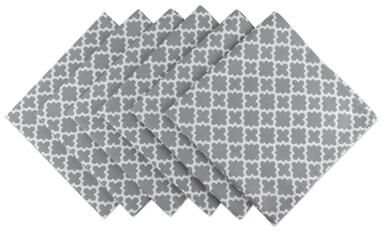
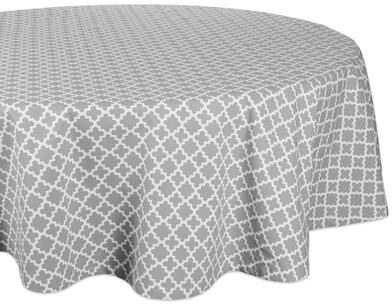
DII Nautical Blue Lattice Napkin (Set of 6)DII lattice cotton napkin set comes in a variety of colors. These napkins are perfect for picnics, parties, showers, dinners, everyday use and more. These printed napkins have a 1 inch folded hem and mitered corners.21,49 $*Shipping: 0,00 $Secure redirect to the provider
-
'Does this wood color match with blue or nautical?'
Yes, wood color can match well with blue or nautical themes. The warm tones of wood can complement the cool tones of blue, creating a balanced and harmonious look. Additionally, the natural and organic feel of wood can also enhance the nautical theme, evoking a sense of coastal or maritime atmosphere. Overall, wood color can be a versatile and complementary choice for both blue and nautical color schemes. **
-
Is there a 35A Diazed DII fuse?
Yes, there is a 35A Diazed DII fuse. Diazed fuses are a type of cylindrical fuse used in electrical systems, and the DII designation refers to the specific size and type of the fuse. The 35A rating indicates the maximum current that the fuse can handle before it will blow and interrupt the circuit. These fuses are commonly used in industrial and commercial electrical applications. **
-
What does the future look like for nautical officers?
The future for nautical officers looks promising, with opportunities for career advancement and job security. As technology continues to advance, nautical officers will need to adapt and learn new skills to operate and maintain increasingly sophisticated navigation and communication systems. Additionally, the demand for nautical officers is expected to remain steady as global trade and shipping continue to grow. With the right training and experience, nautical officers can look forward to a fulfilling and rewarding career at sea. **
-
What does the future of nautical studies look like?
The future of nautical studies looks promising as advancements in technology continue to shape the maritime industry. With the increasing use of automation, artificial intelligence, and digitalization, nautical studies will likely focus more on training individuals to operate and manage these advanced systems. Additionally, there will be a greater emphasis on sustainability and environmental protection, leading to the development of new courses and research in areas such as marine conservation and renewable energy sources for maritime transportation. Overall, the future of nautical studies will be characterized by a combination of traditional maritime skills and knowledge with cutting-edge technology and a focus on sustainability. **
Similar search terms for DII-Nautical-Blue-Lattice
-
What does nautical mean?
Nautical refers to anything related to ships, sailing, or navigation on the sea. It can encompass terms, practices, or traditions associated with the maritime world. Nautical themes often involve elements such as boats, anchors, compasses, and other sea-related imagery. The term nautical is commonly used in the context of maritime activities, literature, or design. **
-
What is a nautical survey?
A nautical survey is a comprehensive inspection and assessment of a vessel, its equipment, and its operational systems. It is conducted by a qualified marine surveyor to evaluate the condition and seaworthiness of the vessel. The survey includes a thorough examination of the hull, machinery, electrical systems, navigation equipment, safety features, and overall structural integrity. The findings of the survey are documented in a report, which can be used by the vessel owner, insurance companies, and potential buyers to make informed decisions about the vessel. **
-
Is the ionic lattice and the crystal lattice not the same?
The ionic lattice and the crystal lattice are not the same. The crystal lattice refers to the regular, repeating arrangement of atoms, ions, or molecules in a solid. This arrangement can be found in both ionic and covalent compounds. On the other hand, the ionic lattice specifically refers to the arrangement of ions in an ionic compound, where positively and negatively charged ions are held together by strong electrostatic forces. While both concepts involve the arrangement of particles in a solid, the ionic lattice is a specific type of crystal lattice found in ionic compounds. **
-
How do a metal lattice and a lattice of salts differ?
A metal lattice is made up of positively charged metal ions surrounded by a "sea" of delocalized electrons, which allows for high electrical conductivity. In contrast, a lattice of salts is made up of alternating positively and negatively charged ions held together by ionic bonds. This results in a brittle structure with high melting points and poor electrical conductivity in the solid state. Additionally, the properties of a metal lattice are more malleable and ductile, while a lattice of salts tends to be more brittle and easily fractured. **
* All prices are inclusive of VAT and, if applicable, plus shipping costs. The offer information is based on the details provided by the respective shop and is updated through automated processes. Real-time updates do not occur, so deviations can occur in individual cases. ** Note: Parts of this content were created by AI.