Buy digitaltrends.eu ?
We are moving the project
digitaltrends.eu .
Are you interested in purchasing the domain
digitaltrends.eu ?
domain@kv-gmbh.de · 0541-91531010
Buy digitaltrends.eu ?
What types of fan designs are there in automotive engine cooling?
There are two main types of fan designs used in automotive engine cooling: mechanical and electric. Mechanical fans are driven by the engine through a belt and pulley system, and they typically have a fixed speed. On the other hand, electric fans are powered by an electric motor and can be controlled to vary their speed based on engine temperature or other factors. Both types of fans are used to draw air through the radiator to help dissipate heat from the engine. **
Does the automotive industry have a future?
Yes, the automotive industry has a future as it continues to evolve with advancements in technology such as electric vehicles, autonomous driving, and connectivity. These innovations are shaping the future of transportation and are driving the industry towards sustainability and efficiency. Additionally, the demand for personal mobility is expected to continue, ensuring the relevance of the automotive industry in the years to come. **


Similar search terms for Costway-Topside-Automotive-Engine
Top-Angebote
Products related to Costway-Topside-Automotive-Engine:
-
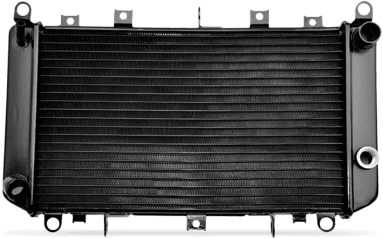
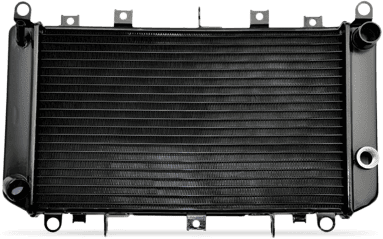
HIGHWAY AUTOMOTIVE 11132008 Engine radiatorCore Length [mm]: 500; Core Width [mm]: 538; Core Depth [mm]: 68; Cooling Fin Material: Aluminium; Water Tank Material (radiator): Plastic; Radiator type: Brazed cooling fins; Inlet Diameter [mm]: 38; Outlet Diameter [mm]: 38; Supplementary Article / Supplementary Info Info 2: without frame312,99 £*Shipping: 1,99 £Secure redirect to the provider
-
HIGHWAY AUTOMOTIVE 11144001 Engine radiatorCore Length [mm]: 470; Core Width [mm]: 498; Core Depth [mm]: 106; Cooling Fin Material: Aluminium; Water Tank Material (radiator): Plastic; Radiator type: Brazed cooling fins; Inlet Diameter [mm]: 58; Outlet Diameter [mm]: 58; Supplementary Article / Supplementary Info Info 2: without frame624,99 £*Shipping: 1,99 £Secure redirect to the provider


-
Does the automotive mechanic have a future?
Yes, the automotive mechanic profession has a future. As long as there are vehicles on the road, there will be a need for skilled mechanics to repair and maintain them. Additionally, as technology continues to advance in the automotive industry, mechanics will need to stay up to date with the latest tools and diagnostic equipment, creating opportunities for specialization and career growth. With the increasing demand for electric and hybrid vehicles, mechanics will also need to adapt and develop new skills to work on these types of vehicles. Overall, the automotive mechanic profession will continue to be essential in keeping our vehicles running smoothly. **
-
Is mechanical engineering and automotive technology slowly dying out?
No, mechanical engineering and automotive technology are not slowly dying out. In fact, these fields are constantly evolving with advancements in technology, such as electric vehicles, autonomous driving, and sustainable energy solutions. There is a growing demand for skilled professionals in these areas to drive innovation and address challenges in the automotive industry. As long as there is a need for transportation and machinery, mechanical engineering and automotive technology will continue to be relevant and important fields of study and practice. **
-
Is the profession of automotive mechanic future-proof?
The profession of automotive mechanic is likely to remain relevant in the future, as long as there are vehicles on the road that require maintenance and repairs. With the increasing complexity of modern vehicles, including electric and hybrid technology, there will be a continued demand for skilled mechanics who can diagnose and fix these advanced systems. Additionally, as the automotive industry continues to evolve with new technologies and innovations, mechanics will need to adapt and learn new skills to stay competitive in the field. Overall, while the profession may evolve, the need for automotive mechanics is likely to remain strong in the future. **
-
Does the automotive industry still have a future?
Yes, the automotive industry still has a future. While there are challenges such as the shift towards electric and autonomous vehicles, the industry is adapting and innovating to meet these changes. There is also a growing demand for sustainable and environmentally friendly transportation options, which the automotive industry is working to address. Additionally, the industry continues to evolve with advancements in technology, such as connectivity and advanced safety features, which will continue to drive its future growth and relevance. **

Which automotive diagnostic devices are suitable for different brands?
There are various automotive diagnostic devices available on the market that are suitable for different brands of vehicles. For example, the Autel MaxiCOM MK808 is a versatile tool that can work with a wide range of car brands, while the Launch X431 V+ is known for its compatibility with various Asian, European, and American car manufacturers. Additionally, the Foxwell NT301 is a budget-friendly option that is suitable for most OBDII-compliant vehicles. It is important to research and choose a diagnostic device that is compatible with the specific make and model of the vehicle you are working on. **
Which book about automotive technology is good for complete beginners?
One good book for complete beginners in automotive technology is "How Cars Work" by Tom Newton. This book provides a comprehensive and easy-to-understand overview of how cars function, covering topics such as engines, transmissions, brakes, and suspension systems. It uses simple language and illustrations to help beginners grasp the fundamental concepts of automotive technology. Additionally, it is a great resource for those who want to gain a basic understanding of how cars work before delving into more advanced topics. **
Top-Angebote
Products related to Costway-Topside-Automotive-Engine:
-
HIGHWAY AUTOMOTIVE 11130039 Engine radiatorCore Length [mm]: 430; Core Width [mm]: 528; Core Depth [mm]: 106; Cooling Fin Material: Aluminium; Water Tank Material (radiator): Plastic; Radiator type: Brazed cooling fins; Inlet Diameter [mm]: 11, 50; Outlet Diameter [mm]: 19, 50; Supplementary Article / Supplementary Info Info 2: without frame577,99 £*Shipping: 1,99 £Secure redirect to the provider
-
HIGHWAY AUTOMOTIVE 11132008 Engine radiatorCore Length [mm]: 500; Core Width [mm]: 538; Core Depth [mm]: 68; Cooling Fin Material: Aluminium; Water Tank Material (radiator): Plastic; Radiator type: Brazed cooling fins; Inlet Diameter [mm]: 38; Outlet Diameter [mm]: 38; Supplementary Article / Supplementary Info Info 2: without frame312,99 £*Shipping: 1,99 £Secure redirect to the provider
-
HIGHWAY AUTOMOTIVE 11144001 Engine radiatorCore Length [mm]: 470; Core Width [mm]: 498; Core Depth [mm]: 106; Cooling Fin Material: Aluminium; Water Tank Material (radiator): Plastic; Radiator type: Brazed cooling fins; Inlet Diameter [mm]: 58; Outlet Diameter [mm]: 58; Supplementary Article / Supplementary Info Info 2: without frame624,99 £*Shipping: 1,99 £Secure redirect to the provider
-
What types of fan designs are there in automotive engine cooling?
There are two main types of fan designs used in automotive engine cooling: mechanical and electric. Mechanical fans are driven by the engine through a belt and pulley system, and they typically have a fixed speed. On the other hand, electric fans are powered by an electric motor and can be controlled to vary their speed based on engine temperature or other factors. Both types of fans are used to draw air through the radiator to help dissipate heat from the engine. **
-
Does the automotive industry have a future?
Yes, the automotive industry has a future as it continues to evolve with advancements in technology such as electric vehicles, autonomous driving, and connectivity. These innovations are shaping the future of transportation and are driving the industry towards sustainability and efficiency. Additionally, the demand for personal mobility is expected to continue, ensuring the relevance of the automotive industry in the years to come. **
-
Does the automotive mechanic have a future?
Yes, the automotive mechanic profession has a future. As long as there are vehicles on the road, there will be a need for skilled mechanics to repair and maintain them. Additionally, as technology continues to advance in the automotive industry, mechanics will need to stay up to date with the latest tools and diagnostic equipment, creating opportunities for specialization and career growth. With the increasing demand for electric and hybrid vehicles, mechanics will also need to adapt and develop new skills to work on these types of vehicles. Overall, the automotive mechanic profession will continue to be essential in keeping our vehicles running smoothly. **
-
Is mechanical engineering and automotive technology slowly dying out?
No, mechanical engineering and automotive technology are not slowly dying out. In fact, these fields are constantly evolving with advancements in technology, such as electric vehicles, autonomous driving, and sustainable energy solutions. There is a growing demand for skilled professionals in these areas to drive innovation and address challenges in the automotive industry. As long as there is a need for transportation and machinery, mechanical engineering and automotive technology will continue to be relevant and important fields of study and practice. **
Similar search terms for Costway-Topside-Automotive-Engine
-
Is the profession of automotive mechanic future-proof?
The profession of automotive mechanic is likely to remain relevant in the future, as long as there are vehicles on the road that require maintenance and repairs. With the increasing complexity of modern vehicles, including electric and hybrid technology, there will be a continued demand for skilled mechanics who can diagnose and fix these advanced systems. Additionally, as the automotive industry continues to evolve with new technologies and innovations, mechanics will need to adapt and learn new skills to stay competitive in the field. Overall, while the profession may evolve, the need for automotive mechanics is likely to remain strong in the future. **
-
Does the automotive industry still have a future?
Yes, the automotive industry still has a future. While there are challenges such as the shift towards electric and autonomous vehicles, the industry is adapting and innovating to meet these changes. There is also a growing demand for sustainable and environmentally friendly transportation options, which the automotive industry is working to address. Additionally, the industry continues to evolve with advancements in technology, such as connectivity and advanced safety features, which will continue to drive its future growth and relevance. **
-
Which automotive diagnostic devices are suitable for different brands?
There are various automotive diagnostic devices available on the market that are suitable for different brands of vehicles. For example, the Autel MaxiCOM MK808 is a versatile tool that can work with a wide range of car brands, while the Launch X431 V+ is known for its compatibility with various Asian, European, and American car manufacturers. Additionally, the Foxwell NT301 is a budget-friendly option that is suitable for most OBDII-compliant vehicles. It is important to research and choose a diagnostic device that is compatible with the specific make and model of the vehicle you are working on. **
-
Which book about automotive technology is good for complete beginners?
One good book for complete beginners in automotive technology is "How Cars Work" by Tom Newton. This book provides a comprehensive and easy-to-understand overview of how cars function, covering topics such as engines, transmissions, brakes, and suspension systems. It uses simple language and illustrations to help beginners grasp the fundamental concepts of automotive technology. Additionally, it is a great resource for those who want to gain a basic understanding of how cars work before delving into more advanced topics. **
* All prices are inclusive of VAT and, if applicable, plus shipping costs. The offer information is based on the details provided by the respective shop and is updated through automated processes. Real-time updates do not occur, so deviations can occur in individual cases. ** Note: Parts of this content were created by AI.