Buy digitaltrends.eu ?
We are moving the project
digitaltrends.eu .
Are you interested in purchasing the domain
digitaltrends.eu ?
domain@kv-gmbh.de · 0541-91531010
Buy digitaltrends.eu ?
Does the engine get damaged if you open the radiator cap?
Yes, opening the radiator cap while the engine is hot can be dangerous as it can release hot steam and coolant under pressure, potentially causing burns. Additionally, removing the radiator cap can disrupt the cooling system's pressure balance and lead to coolant leakage. It is recommended to wait until the engine has cooled down before opening the radiator cap to avoid any potential damage or injury. **
Which radiator heats better: a flat panel radiator or a ribbed radiator?
A ribbed radiator typically heats better than a flat panel radiator. The ribbed design increases the surface area of the radiator, allowing for more efficient heat transfer. This means that a ribbed radiator can heat a room more quickly and effectively than a flat panel radiator. Additionally, the ribbed design allows for better circulation of air, further enhancing its heating capabilities. **
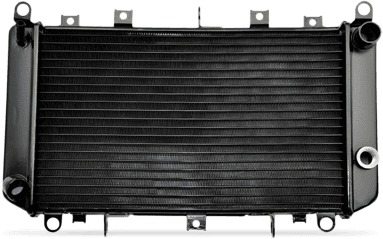
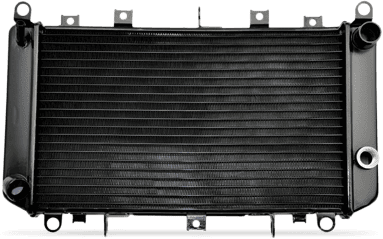
Similar search terms for CLIMTEX-CH1-088-Engine-radiator
Top-Angebote
Products related to CLIMTEX-CH1-088-Engine-radiator:
-
CLIMTEX CH1-138 Engine radiatorCore Length [mm]: 650; Core Width [mm]: 455; Core Depth [mm]: 35; Cooling Fin Material: Aluminium; Water Tank Material (radiator): Plastic; Vehicle Equipment: for vehicles with/without air conditioning, for vehicles with air conditioning; Transmission Type: Manual-/optional automatic transmission; for model code: A3 Sportback; TecDoc Engine Number: 17450, 20704, 19199, 18883, 18541, 20395; Block 12 [engine from_to]: BVE, BKD64,49 £*Shipping: 8,45 £Secure redirect to the provider
-
CLIMTEX CH1-248 Engine radiatorCore Length [mm]: 722; Core Width [mm]: 360; Core Depth [mm]: 32; Cooling Fin Material: Aluminium; Water Tank Material (radiator): Plastic; Construction Year from: 10/1993; Vehicle Equipment: for vehicles with air conditioning; Transmission Type: Automatic Transmission, Manual Transmission60,49 £*Shipping: 8,45 £Secure redirect to the provider
-
CLIMTEX CH1-288 Engine radiatorCore Length [mm]: 525; Core Width [mm]: 320; Core Depth [mm]: 30; Cooling Fin Material: Aluminium; Water Tank Material (radiator): Plastic; Construction Year from: 09/1981, 08/1982, 03/1983, 02/1983, 08/1981; Vehicle Equipment: for vehicles without air conditioning, for vehicles with air conditioning; Transmission Type: Manual Transmission; Block 12 [engine from_to]: DX; TecDoc Engine Number: 4120; Construction Year to: 08/198327,99 £*Shipping: 8,45 £Secure redirect to the provider
-
CLIMTEX CH1-548 Engine radiatorCore Length [mm]: 380; Core Width [mm]: 550; Core Depth [mm]: 26; Cooling Fin Material: Aluminium; Water Tank Material (radiator): Plastic; TecDoc Engine Number: 24935, 31846, 34980, 31482, 36833, 25633, 28614, 38530, 26985, 35121; Transmission Type: Manual Transmission, 5-Speed Manual Transmission, 6-Speed Manual Transmission; Vehicle Equipment: for vehicles with/without air conditioning; for model code: EXPERT; Vehicle type: Expert, Berlingo MultiSpace, Partner, Partner Origin, Berlingo, DS4, C5 Estate/Break, RE6FZB; Construction Year from: 07/2007, 04/2007, 11/2013; for RPO number up to: 11193; Fitting Position: Lower, Front; Engine Code: DW10FD, EP6CDTM, EP6CDTMD, DV6C, EW7J4; Construction Year to: 06/2011, 06/201058,49 £*Shipping: 8,45 £Secure redirect to the provider

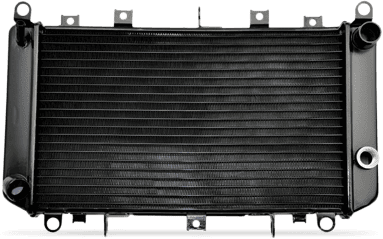
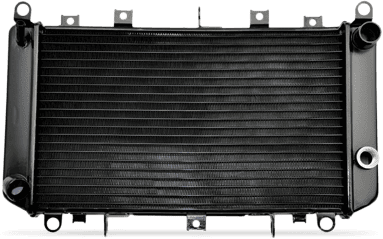
-
What are the high-level inputs CH1 and CH4 used for in a Mac Audio amplifier?
CH1 and CH4 are high-level inputs used for connecting the amplifier to the speaker outputs of a car stereo or other audio source. These inputs allow the amplifier to receive the audio signal directly from the stereo system, eliminating the need for a separate line output converter. This makes it easier to integrate the amplifier into the existing audio setup of a vehicle without the need for additional components. **
-
Is a 420mm radiator stronger than a 480mm radiator?
In general, the size of a radiator does not necessarily determine its strength. The strength of a radiator is typically determined by factors such as the material it is made of, the design of the fins and tubes, and the quality of the pump. Therefore, a 420mm radiator may not necessarily be stronger than a 480mm radiator. It is important to consider the specific specifications and performance metrics of each radiator to determine which one is stronger for your particular cooling needs. **
-
Was it bad that steam was escaping from the radiator cap when the engine was still hot?
Yes, it was bad that steam was escaping from the radiator cap when the engine was still hot. This could indicate that the cooling system is not functioning properly, which can lead to overheating and potential damage to the engine. It is important to address this issue promptly to prevent further damage and ensure the safe operation of the vehicle. **
-
What is that blue cover with an H in the engine compartment in front of the radiator?
That blue cover with an H in the engine compartment is likely the engine cover. It is designed to protect the engine and its components from debris and dust. It also helps to reduce engine noise and improve the overall appearance of the engine bay. The H may be the logo of the car manufacturer or the specific model of the vehicle. **

How could a presentation about engine technology look?
A presentation about engine technology could include a detailed overview of different types of engines, such as internal combustion engines, electric motors, and hybrid systems. It could also cover the latest advancements in engine technology, such as fuel efficiency improvements, emissions reduction, and alternative fuel sources. The presentation could include visual aids, such as diagrams and animations, to help illustrate the inner workings of engines and how they have evolved over time. Additionally, the presenter could discuss the future of engine technology, including potential developments in autonomous vehicles and alternative propulsion systems. **
How can one repair a radiator with a radiator sealant?
To repair a radiator with a radiator sealant, first, ensure the engine is cool and the radiator is not under pressure. Then, locate the radiator cap and pour the sealant directly into the radiator. After adding the sealant, start the engine and let it run for about 15-20 minutes to allow the sealant to circulate and seal any leaks. Finally, check for any remaining leaks and top up the coolant if necessary. **
Top-Angebote
Products related to CLIMTEX-CH1-088-Engine-radiator:
-
CLIMTEX CH1-088 Engine radiatorCore Length [mm]: 790; Core Width [mm]: 400; Core Depth [mm]: 35; Cooling Fin Material: Aluminium; Supplementary Article / Supplementary Info Info 2: with frame; Water Tank Material (radiator): Plastic; Vehicle Equipment: for vehicles with air conditioning, for vehicles without air conditioning, for vehicles with/without air conditioning; for model code: Ducato 14, Jumper, Relay, Jumper 31; Transmission Type: Manual-/optional automatic transmission, 5-Speed Manual Transmission, Manual Transmission; Vehicle type: Relay, Jumper74,99 £*Shipping: 8,45 £Secure redirect to the provider
-
CLIMTEX CH1-138 Engine radiatorCore Length [mm]: 650; Core Width [mm]: 455; Core Depth [mm]: 35; Cooling Fin Material: Aluminium; Water Tank Material (radiator): Plastic; Vehicle Equipment: for vehicles with/without air conditioning, for vehicles with air conditioning; Transmission Type: Manual-/optional automatic transmission; for model code: A3 Sportback; TecDoc Engine Number: 17450, 20704, 19199, 18883, 18541, 20395; Block 12 [engine from_to]: BVE, BKD64,49 £*Shipping: 8,45 £Secure redirect to the provider
-
CLIMTEX CH1-248 Engine radiatorCore Length [mm]: 722; Core Width [mm]: 360; Core Depth [mm]: 32; Cooling Fin Material: Aluminium; Water Tank Material (radiator): Plastic; Construction Year from: 10/1993; Vehicle Equipment: for vehicles with air conditioning; Transmission Type: Automatic Transmission, Manual Transmission60,49 £*Shipping: 8,45 £Secure redirect to the provider
-
Does the engine get damaged if you open the radiator cap?
Yes, opening the radiator cap while the engine is hot can be dangerous as it can release hot steam and coolant under pressure, potentially causing burns. Additionally, removing the radiator cap can disrupt the cooling system's pressure balance and lead to coolant leakage. It is recommended to wait until the engine has cooled down before opening the radiator cap to avoid any potential damage or injury. **
-
Which radiator heats better: a flat panel radiator or a ribbed radiator?
A ribbed radiator typically heats better than a flat panel radiator. The ribbed design increases the surface area of the radiator, allowing for more efficient heat transfer. This means that a ribbed radiator can heat a room more quickly and effectively than a flat panel radiator. Additionally, the ribbed design allows for better circulation of air, further enhancing its heating capabilities. **
-
What are the high-level inputs CH1 and CH4 used for in a Mac Audio amplifier?
CH1 and CH4 are high-level inputs used for connecting the amplifier to the speaker outputs of a car stereo or other audio source. These inputs allow the amplifier to receive the audio signal directly from the stereo system, eliminating the need for a separate line output converter. This makes it easier to integrate the amplifier into the existing audio setup of a vehicle without the need for additional components. **
-
Is a 420mm radiator stronger than a 480mm radiator?
In general, the size of a radiator does not necessarily determine its strength. The strength of a radiator is typically determined by factors such as the material it is made of, the design of the fins and tubes, and the quality of the pump. Therefore, a 420mm radiator may not necessarily be stronger than a 480mm radiator. It is important to consider the specific specifications and performance metrics of each radiator to determine which one is stronger for your particular cooling needs. **
Similar search terms for CLIMTEX-CH1-088-Engine-radiator
-
CLIMTEX CH1-288 Engine radiatorCore Length [mm]: 525; Core Width [mm]: 320; Core Depth [mm]: 30; Cooling Fin Material: Aluminium; Water Tank Material (radiator): Plastic; Construction Year from: 09/1981, 08/1982, 03/1983, 02/1983, 08/1981; Vehicle Equipment: for vehicles without air conditioning, for vehicles with air conditioning; Transmission Type: Manual Transmission; Block 12 [engine from_to]: DX; TecDoc Engine Number: 4120; Construction Year to: 08/198327,99 £*Shipping: 8,45 £Secure redirect to the provider
-
CLIMTEX CH1-548 Engine radiatorCore Length [mm]: 380; Core Width [mm]: 550; Core Depth [mm]: 26; Cooling Fin Material: Aluminium; Water Tank Material (radiator): Plastic; TecDoc Engine Number: 24935, 31846, 34980, 31482, 36833, 25633, 28614, 38530, 26985, 35121; Transmission Type: Manual Transmission, 5-Speed Manual Transmission, 6-Speed Manual Transmission; Vehicle Equipment: for vehicles with/without air conditioning; for model code: EXPERT; Vehicle type: Expert, Berlingo MultiSpace, Partner, Partner Origin, Berlingo, DS4, C5 Estate/Break, RE6FZB; Construction Year from: 07/2007, 04/2007, 11/2013; for RPO number up to: 11193; Fitting Position: Lower, Front; Engine Code: DW10FD, EP6CDTM, EP6CDTMD, DV6C, EW7J4; Construction Year to: 06/2011, 06/201058,49 £*Shipping: 8,45 £Secure redirect to the provider
-
CLIMTEX CH1-628 Engine radiatorCore Length [mm]: 648; Core Width [mm]: 372; Core Depth [mm]: 16; Cooling Fin Material: Aluminium; Water Tank Material (radiator): Plastic; Radiator type: Brazed cooling fins; Construction Year to: 08/2007; Construction Year from: 09/2007; Transmission Type: 5-Speed Manual Transmission, Manual Transmission82,99 £*Shipping: 8,45 £Secure redirect to the provider
-
CLIMTEX CH1-798 Engine radiatorCore Length [mm]: 650; Core Width [mm]: 455; Core Depth [mm]: 35; Cooling Fin Material: Aluminium; Water Tank Material (radiator): Plastic; Vehicle Equipment: for vehicles without air conditioning; Transmission Type: Manual Transmission; for model code: Daily 29L12, Daily 29L12P, Daily 29L14, Daily 29L14P; Vehicle type: Daily 35S12, Daily 40C17, Daily 40C17P, Daily 45C14, Daily 35C17, Daily 35C17P, Daily 35S17, Daily 35S17P, Daily 50C17, Daily 50C17P, Daily 65C17, Daily 65C17P, Daily 45C17, Daily 45C17P, Daily 60C17, Daily 70C17, Daily 70C17P, Daily 60C17P, Daily 35S18W; Construction Year from: 01/200371,49 £*Shipping: 8,45 £Secure redirect to the provider
-
Was it bad that steam was escaping from the radiator cap when the engine was still hot?
Yes, it was bad that steam was escaping from the radiator cap when the engine was still hot. This could indicate that the cooling system is not functioning properly, which can lead to overheating and potential damage to the engine. It is important to address this issue promptly to prevent further damage and ensure the safe operation of the vehicle. **
-
What is that blue cover with an H in the engine compartment in front of the radiator?
That blue cover with an H in the engine compartment is likely the engine cover. It is designed to protect the engine and its components from debris and dust. It also helps to reduce engine noise and improve the overall appearance of the engine bay. The H may be the logo of the car manufacturer or the specific model of the vehicle. **
-
How could a presentation about engine technology look?
A presentation about engine technology could include a detailed overview of different types of engines, such as internal combustion engines, electric motors, and hybrid systems. It could also cover the latest advancements in engine technology, such as fuel efficiency improvements, emissions reduction, and alternative fuel sources. The presentation could include visual aids, such as diagrams and animations, to help illustrate the inner workings of engines and how they have evolved over time. Additionally, the presenter could discuss the future of engine technology, including potential developments in autonomous vehicles and alternative propulsion systems. **
-
How can one repair a radiator with a radiator sealant?
To repair a radiator with a radiator sealant, first, ensure the engine is cool and the radiator is not under pressure. Then, locate the radiator cap and pour the sealant directly into the radiator. After adding the sealant, start the engine and let it run for about 15-20 minutes to allow the sealant to circulate and seal any leaks. Finally, check for any remaining leaks and top up the coolant if necessary. **
* All prices are inclusive of VAT and, if applicable, plus shipping costs. The offer information is based on the details provided by the respective shop and is updated through automated processes. Real-time updates do not occur, so deviations can occur in individual cases. ** Note: Parts of this content were created by AI.